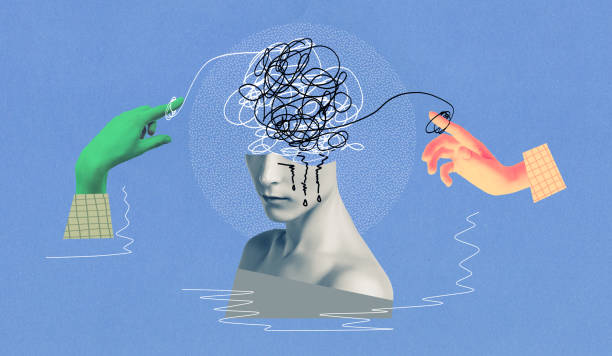
Breaking the Silence on Mental Health in Kenya
For a long time, mental health has been a silent topic in many Kenyan homes, workplaces, and communities. But this silence has led to stigma, misinformation, and untreated conditions. In recent years, mental health awareness in Kenya has started gaining ground—thanks to growing public discourse, media coverage, and personal stories being shared online.
From Nairobi to Mombasa, Kenyans are waking up to the reality that mental well-being is just as important as physical health. Whether it’s stress from the high cost of living, depression among the youth, or anxiety fueled by unemployment, mental health is a critical issue that can no longer be ignored.
1. The Rising Need for Mental Health Conversations
Mental health issues affect people of all ages, backgrounds, and professions in Kenya. According to the Ministry of Health, one in every four Kenyans suffers from a mental health condition at some point in life. Yet, many cases go undiagnosed or untreated due to stigma and lack of access to proper care.
The COVID-19 pandemic further highlighted the urgency of mental health care, especially with the rise in anxiety, grief, and isolation. Kenyan students, workers, and even healthcare professionals reported increased mental distress during lockdowns.
Example: In Nairobi, NGOs like BasicNeeds Kenya and Chiromo Hospital Group have seen a rise in people seeking mental health support, showing that the need for awareness and accessible services is more important than ever.
2. Stigma and Cultural Beliefs Around Mental Illness
In many Kenyan communities, mental illness is misunderstood and sometimes linked to spiritual causes like curses or witchcraft. This stigma discourages people from speaking out or seeking help. Many prefer to suffer in silence rather than be labeled as “mad.”
Why this matters: These negative attitudes can delay diagnosis and treatment, making recovery harder. Education and open conversations—especially in schools, churches, and social media—are key to changing this narrative.
Some Kenyan celebrities and influencers like Sheila Kwamboka and Janet Mbugua have publicly shared their struggles, helping to normalize the conversation and encourage others to seek help.
3. Mental Health Among the Kenyan Youth
Kenya’s youth face unique mental health challenges, including exam pressure, unemployment, cyberbullying, and peer pressure. Many students in Nairobi universities, for instance, report feeling overwhelmed, yet few know where to turn.
Positive step: More universities like Kenyatta University and the University of Nairobi have begun offering counseling services to support students’ emotional well-being.
Tip for youth: Talking to a counselor, mentor, or trusted adult can be the first step to healing. There are also hotlines like the Mental 254 helpline available to provide support.
4. Access to Mental Health Services in Kenya
Access to mental health care remains limited, especially outside major cities like Nairobi and Mombasa. There are few psychiatrists in Kenya, and therapy can be expensive for many families.
However, digital platforms like Wazi, AfyaPap, and Mindful Kenya are making mental health support more affordable and accessible through online counseling and resources.
Community-based solutions like peer support groups and church-based counseling are also helping fill the gap.
Let’s Normalize Mental Health Conversations in Kenya
Mental health is not a luxury—it’s a necessity. By speaking openly, educating ourselves, and supporting those around us, we can help reduce stigma and build a mentally healthier Kenya.
Call to Action:
Let’s keep the conversation going. Share this article, check in on a friend, or explore local mental health services. Together, we can make mental health a priority in every Kenyan home.